

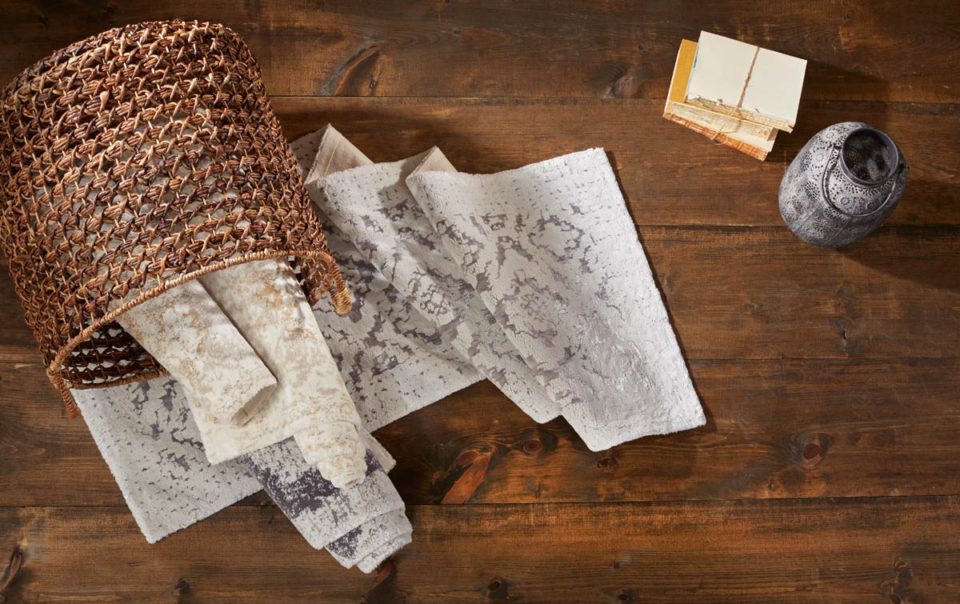


We use fabric in some way every day, from the clothes we wear to the bed we sleep in. Fabric is a crucial part of our lives and our society. We wanted to take a look at the biggest changes in the fabric industry over the past century. What are the most significant transformations that have occurred in this sector? Keep reading to explore the ten most important innovations that have shaped the fabric industry that we all depend on today.
1. Synthetic Fibers:
One of the most groundbreaking innovations was the creation of synthetic fibers such as nylon, polyester, and acrylic. These man-made fibers provide exceptional strength, durability, and resistance to stretching and shrinking. They have revolutionized the textile industry by offering affordable and versatile alternatives to natural fibers like cotton and silk. However, there are also some downsides to such fabrics, and appreciation of these is decreasing in favor of more natural and organic fibers. You can learn more about organic fabrics on our website.
2. Mass Production Methods:
Introducing mass production techniques, such as the mechanization of spinning and weaving, drastically ramped up fabric production and made textiles more accessible to the general public. Innovations like power looms and automated spinning machines also significantly reduced production costs. This is one reason we now have affordable clothing for consumers worldwide.
3. Colorfastness and Chemical Dyes:
The development of colorfast dyes completely transformed the fabric industry, as it allowed fabrics to keep their vibrancy even following repeated washes. Chemical dyes not only offered an extensive range of colors but also improved color consistency and fade resistance. This innovation opened new avenues for creative and expressive designs in multiple industries – never before had people had so many options when it came to fabrics for their clothing, bedding, and home linens.
4. Performance Fabrics:
“Performance fabrics” refer to a few different materials that several companies have branded as their own. The advent of performance fabrics marked a significant breakthrough in the textile industry. From sports apparel to mildew-resistant couches, performance fabrics have enhanced comfort and performance while ensuring durability and longevity. In the bedding industry, performance fabric is designed to be long-lasting, moisture-resistant, and helpful for temperature regulation.
5. Sustainable and Eco-Friendly Fabrics:
As environmental consciousness continues to grow, so too does the fabric industry. The development of sustainable and eco-friendly fabrics has led to organic cotton, bamboo fabric, and recycled polyester, reducing the industry’s carbon footprint. These fabrics offer a greener alternative by minimizing water usage, chemical usage, and overall environmental impact. At Sunham, we are particularly devoted to sustainability, recycled materials, and energy-efficient processes.
6. Smart Textiles:
The integration of technology into fabrics has given rise to smart textiles, sometimes called e-textiles. These materials are embedded with things like electronic components, sensors, and connectivity, which enables them to interact with the wearer and their environment. Smart textiles have applications in various fields, including healthcare, sports, and fashion. They are known for providing functionalities such as temperature regulation, vital signs monitoring, and gesture recognition.
7. 3D Printing:
The introduction of 3D printing technology changed fabric production by enabling the creation of more intricate and personalized designs. Using this technique, designers produce fabrics layer by layer, resulting in new and unique textures, patterns, and structures. 3D printing has opened up new possibilities across several industries and there is likely to be even more evolution as technology improves.
8. Nanotechnology:
Nanotechnology has led to some serious advancements in the materials industry. Nanoparticles can be applied to fabrics to enhance their properties, like water and stain resistance, antimicrobial abilities, and even self-cleaning capabilities. These nano-coatings have broadened the application of fabrics in various sectors, especially in healthcare, hospitality, and outdoor gear.
9. Digital Printing:
Digital printing now often replaces traditional screen printing methods. This technology allows manufacturers to print complex patterns directly onto the fabric, resulting in vibrant colors, intricate designs, and reduced waste. Digital offers faster production, customization, and a wider range of design options which many bedding and fashion brands can take advantage of.
10. Sustainable Manufacturing Processes:
Related to our point above, in recent years, the fabric industry has made tremendous strides in adopting sustainable manufacturing processes. Innovations such as waterless dyeing, closed-loop production systems, and energy-efficient machinery have significantly reduced water consumption, chemical usage, and waste generation. These sustainable practices are shaping the fabric industry’s future, ensuring a more eco-friendly and responsible approach.
The fabric industry as a whole has witnessed a notable evolution over the past century, driven by continuous innovation and technological advancements. From the development of synthetic fibers and mass production techniques to the introduction of sustainable fabrics and smart textiles, these innovations have transformed the way fabrics are produced, designed, and utilized. As we look towards the future, the fabric industry’s commitment to sustainability and technological advancements will continue to shape our clothing, textiles, and overall lifestyle.

Loading...